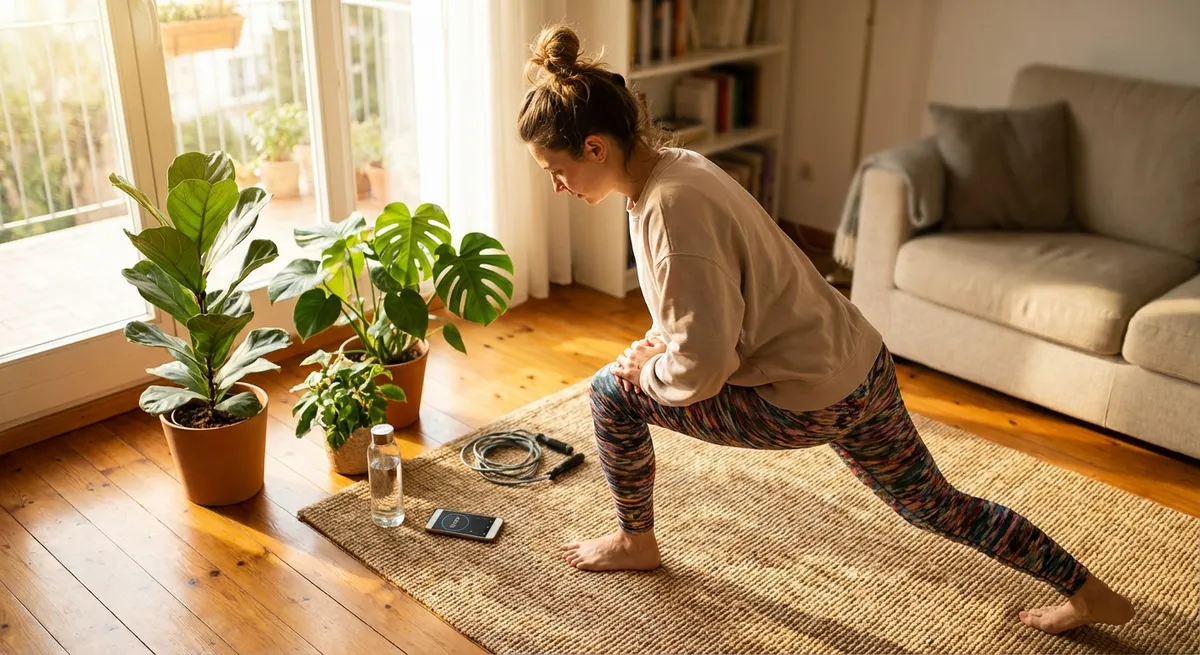
Most people think getting fit means long workouts, fancy gyms, or intense routines. In reality, brief, consistent movement can dramatically improve your health—even if you only have 10 minutes at a time. The key is to move with purpose, protect your body, and build habits you can actually stick with. This guide will show you simple, evidence-based ways to fit fitness into a busy day, support your mental health, and protect your long-term well-being.
Why Short, Consistent Workouts Really Work
You don’t need an hour a day to make meaningful progress. Research shows that physical activity can be “accumulated” in short bouts over the day and still add up to powerful benefits. Just 150 minutes per week of moderate movement—or 75 minutes of vigorous activity—can lower your risk of heart disease, type 2 diabetes, and some cancers. That breaks down to about 20–25 minutes per day, or even smaller chunks like 3–4 sessions of 5–10 minutes.
Short sessions are easier to fit in, which means you’re more likely to stay consistent over months and years. Brief workouts can also improve focus, mood, and energy, making the rest of your day feel more manageable. For beginners, smaller doses reduce the intimidation factor and the soreness that can come from doing too much, too fast. The real “secret” is not perfection, but persistence: it’s better to move 10 minutes every day than 60 minutes once a week and then quit.
Building a Safe, Simple Weekly Movement Plan
A balanced routine doesn’t have to be complex. Aim to cover three main pillars each week: cardiovascular activity, strength training, and mobility. A straightforward starter plan might include brisk walking most days, two strength sessions, and daily stretching. If you’re new to exercise, it’s wise to speak with your healthcare provider, especially if you have heart disease, joint problems, or chronic conditions.
Begin with comfortable effort: you should be able to talk but not sing during cardio, and strength exercises should feel challenging on the last few repetitions without causing sharp pain. Increase only one factor at a time—either duration, intensity, or frequency—by about 5–10% per week. This gradual progression helps your muscles, joints, and heart adapt safely. Remember to include at least one rest or light-movement day weekly, allowing your body to recover and repair.
Cardio You Can Actually Enjoy (and Stick With)
Cardio doesn’t have to mean running; anything that raises your heart rate counts. Brisk walking, cycling, dancing, swimming, or even vigorous housework can serve as effective cardio. Choose what feels most enjoyable and realistic in your environment—people stick to activities they actually like. If motivation is a challenge, try “habit-stacking”: pair a short walk with a podcast you love, a phone call with a friend, or your lunch break.
To structure 10-minute cardio sessions, start with 1–2 minutes of easy movement to warm up, then 6–7 minutes at a moderate pace, and finish with 1–2 minutes of slower cool-down. As you get fitter, consider adding brief intervals, such as 30 seconds of faster walking followed by 60–90 seconds at an easier pace. This interval style can improve fitness efficiently while still being manageable for beginners, as long as you listen to your body and stop if you feel dizzy, unusually short of breath, or have chest discomfort.
Strength Training at Home: No Gym, No Problem
Strength training is essential for metabolic health, bone density, and maintaining independence as you age. You don’t need weights to start; your body weight is often enough. Simple exercises like squats to a chair, wall push-ups, glute bridges, and seated rows with a resistance band can effectively target major muscle groups. Aim for 2 non-consecutive days per week focusing on all major areas: legs, hips, back, chest, shoulders, and core.
For each exercise, start with 1–2 sets of 8–12 repetitions, resting 30–60 seconds between sets. When you can complete 12 reps with good form and minimal fatigue, make the move more challenging: add another set, slow down the tempo, or use light dumbbells or resistance bands. Prioritize controlled movements and pain-free range of motion over heavy resistance. When in doubt, stop a few reps before total exhaustion and focus on alignment—knees tracking over toes, neutral spine, and relaxed neck and shoulders.
Gentle Mobility and Stretching for Daily Balance
Mobility and flexibility are often overlooked but are key to preventing stiffness and injury. Just 5–10 minutes per day of intentional stretching can ease tension from sitting, improve posture, and support joint health. Focus on major tight areas like the hips, hamstrings, chest, and upper back. Hold each stretch for 15–30 seconds without bouncing, and breathe slowly, easing deeper only as the muscles relax.
Dynamic movements—like arm circles, leg swings, and gentle hip circles—are best for warming up before more intense exercise. Static stretches are more helpful after your workout or in the evening to unwind. If you sit for long periods, set a timer to stand up at least once every hour for 1–2 minutes of light movement: shoulder rolls, gentle side bends, or a quick walk down the hallway. These “movement snacks” keep blood flowing and can reduce back and neck discomfort over time.
Integrating Movement Into a Busy Day
If your schedule is packed, aim to weave movement into what you’re already doing. Park a bit farther from entrances, take stairs when possible, or stand during phone calls. Turn waiting time—like while coffee brews or laundry runs—into mini-activity breaks: calf raises at the counter, wall push-ups, or a set of squats. Reframe daily tasks like cleaning, gardening, or playing with children as valid, valuable activity, not something separate from “real exercise.”
Planning helps. At the start of the week, look at your calendar and block off short movement windows, even if they’re just 10 minutes. Treat these like appointments with your future self. Lay out comfortable clothes or shoes the night before to reduce friction. If evenings are chaotic, try brief morning or lunchtime sessions. Consistency isn’t about never missing a day; it’s about returning to movement quickly when life disrupts your routine.
Exercise, Mood, and Stress: The Mental Health Boost
Physical activity is a powerful tool for mental health. Regular movement can reduce symptoms of anxiety and mild to moderate depression, improve sleep, and sharpen focus. Even a single 10–15 minute brisk walk can lead to a noticeable boost in mood and energy for many people. Exercise increases blood flow to the brain and supports the release of chemicals like endorphins and serotonin, which are associated with well-being and stress relief.
If you’re struggling with motivation due to low mood or high stress, lower the bar: commit to just 5 minutes. Often, once you begin, you’ll feel able to continue a bit longer. Choose gentler forms of movement on harder days—like stretching, a slow walk, or light yoga—rather than skipping exercise entirely. Remember that while movement can support mental health, it does not replace professional care; reach out to a healthcare provider or mental health professional if symptoms are persistent or severe.
Listening to Your Body and Staying Injury-Smart
Progress should feel challenging, not punishing. Normal signs of exertion include elevated heart rate, faster breathing, mild muscle burn during effort, and some soreness 24–48 hours afterward. Red flags include sharp or sudden pain, chest pain or pressure, severe shortness of breath, dizziness, or joint pain that worsens with movement. If you experience these, stop exercising and seek medical advice, especially if symptoms are new or intense.
To reduce injury risk, always include a gentle warm-up and cool-down, and avoid large jumps in intensity or volume from one week to the next. Pay special attention to your joints—knees, hips, shoulders—and modify exercises that feel unstable or painful. Supportive footwear and a safe environment (clear floors, good lighting, stable surfaces) also matter. If you’re unsure about technique, consider a session with a certified trainer, physical therapist, or reputable online instructional videos from credible organizations.
Conclusion
Fitness doesn’t have to be extreme to be effective. Small, consistent movement—cardio, strength, and mobility—can transform your energy, mood, and long-term health, even when done in 5–10 minute blocks. Focus on what you can realistically sustain, choose activities you enjoy, and let your routine grow gradually. The most powerful change isn’t a perfect workout plan; it’s the decision to move your body, today and most days, in ways that feel safe, kind, and supportive of your health.
Sources
- Physical Activity Guidelines for Americans, 2nd Edition (HHS) - Evidence-based recommendations for weekly activity, intensity levels, and health benefits
- Benefits of Exercise (Mayo Clinic) - Overview of physical and mental health improvements linked to regular movement
- How Much Physical Activity Do Adults Need? (CDC) - Clear guidelines on cardio and strength needs, with practical examples
- Exercise for Depression (NHS) - Explains how physical activity supports mental health and mood
- Strength Training: Get Stronger, Leaner, Healthier (Harvard Health) - Details on why and how to include strength training safely, especially as you age
Key Takeaway
The most important thing to remember from this article is that this information can change how you think about Fitness & Exercise.